Diatoms of North America
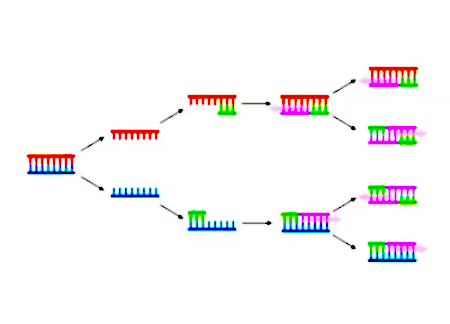
DNA metabarcoding is transforming diatom-based environmental monitoring, yet its global application is currently hindered by significant reference gaps. Many critical indicator taxa, particularly in North America, lack taxonomically validated sequences in DNA libraries. Our project addresses this limitation by hosting a three-day intensive workshop to train and connect researchers at the Iowa Lakeside Laboratory in May 2026
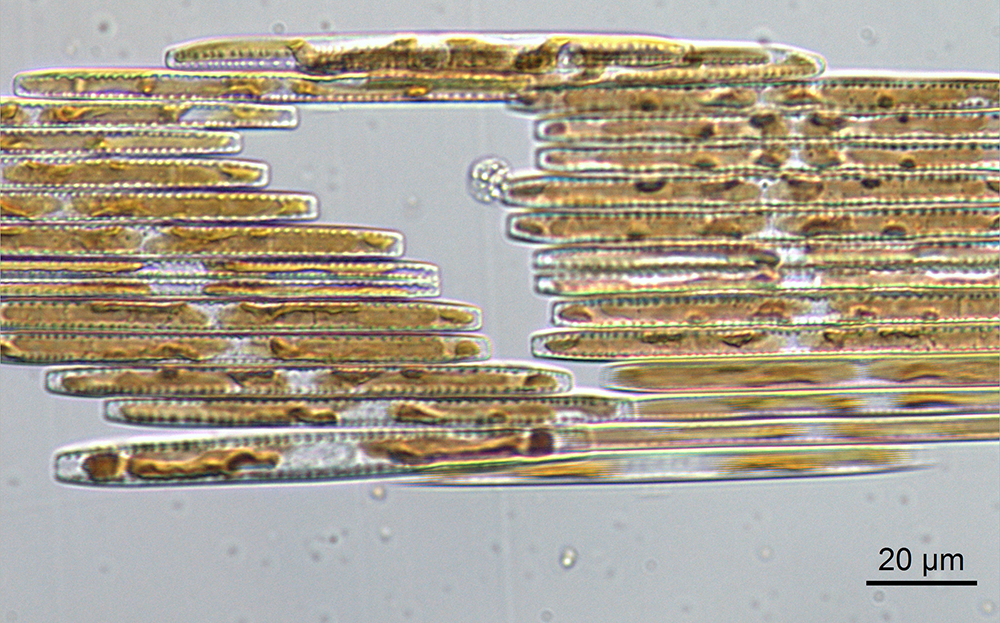
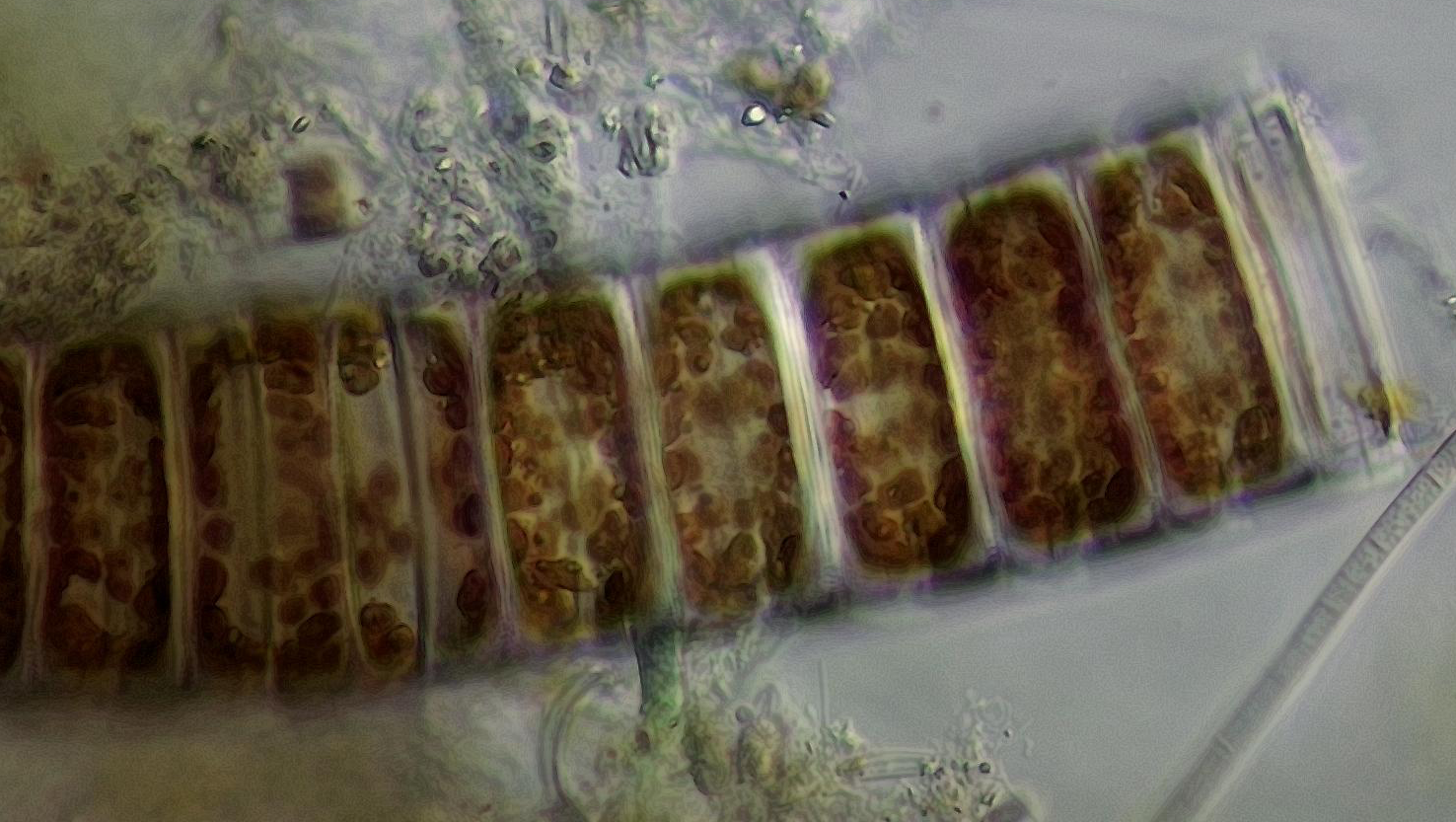
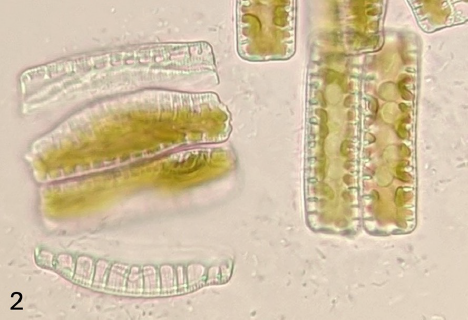
The network start-up focuses on bridging the gap between classical morphology and modern genomics. During the workshop, our early-career researchers will be trained in single-cell isolation and high-quality light microscopy. By pairing DNA sequences (rbcL and 18S V4 rRNA) with voucher-backed micrographs and herbarium specimens, we aim to generate a minimum of 14 new reference barcodes from the Iowa Great Lakes region.
These data will be accessioned into NCBI GenBank and Diat.barcode, strengthening the DNA reference libraries necessary for accurate biomonitoring and ensuring that the next generation of diatomists are skilled in both traditional and molecular taxonomic approaches.
Project Lead:
David R.L. Burge, PhD
Participants:
Nick Schulte, PhD
Kui Hu, PhD
Emily Palmer, M.S.
Ian Bishop, PhD
Graduate students:
Lane Allen, University of Colorado
Leonardo Villacis, University of Maine
Mentor:
Mark Edlund, PhD
To attend, contact David R.L. Burge
This network represents a unique partnership between academic institutions and commercial laboratories, all dedicated to advancing the translation of diatom research for public benefit and ecosystem management.
Acknowledgements: We are grateful to the International Society for Diatom Research for the 2025 Early Career Researcher Networking Grant. The award provides the essential travel and sequencing support required to bring our network together. We also thank the Friends of Lakeside Laboratory, EnviroScience, and Jonah Ventures for their generous matching funds and logistical support. This opportunity is vital for our development as early-career researchers and for the continued improvement of diatom-based environmental assessment tools.