Diatoms of North America
Didymosphenia geminata ecology in Lake Superior's nearshore environment and its tributaries
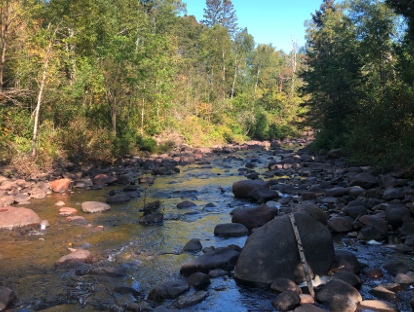
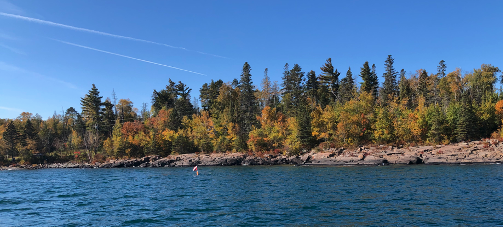
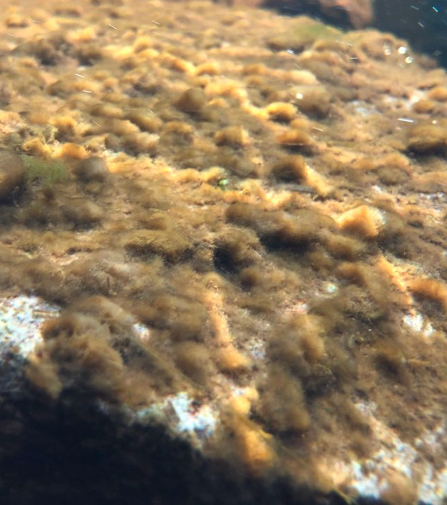
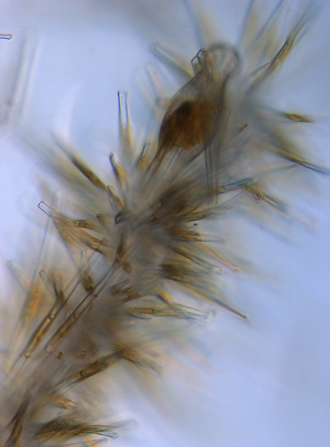
Description: In this Diatom Web Academy presentation, Dr. David Burge examines the modern ecology, distribution, and environmental drivers of the stalk-forming diatom Didymosphenia geminata (Didymo) across western Lake Superior’s nearshore waters and its Minnesota North Shore tributaries. Synthesizing multi-year field surveys, algal productivity assessments, and molecular barcoding, Dr. Burge reveals that regional Didymo populations genetically match the globally widespread strain and thrive primarily in low-nutrient, high-light environments characterized by low phosphorus, low conductivity, and stable cobble substrates. The research underscores a notable spatial and temporal disconnect between lake and river populations: Lake Superior hosts lower-density mats confined to shallow wave-scoured margins, whereas adjacent tributaries sustain massive, localized blooms influenced by low base flows, reduced canopy cover, and earlier seasonal snowmelts. This talk offers critical insights into the dynamics of nearshore primary productivity and the climatic and hydrologic factors facilitating Didymo proliferation in cold-water ecosystems.