Diatoms of North America
Evolution and diversity of diatoms in African lakes
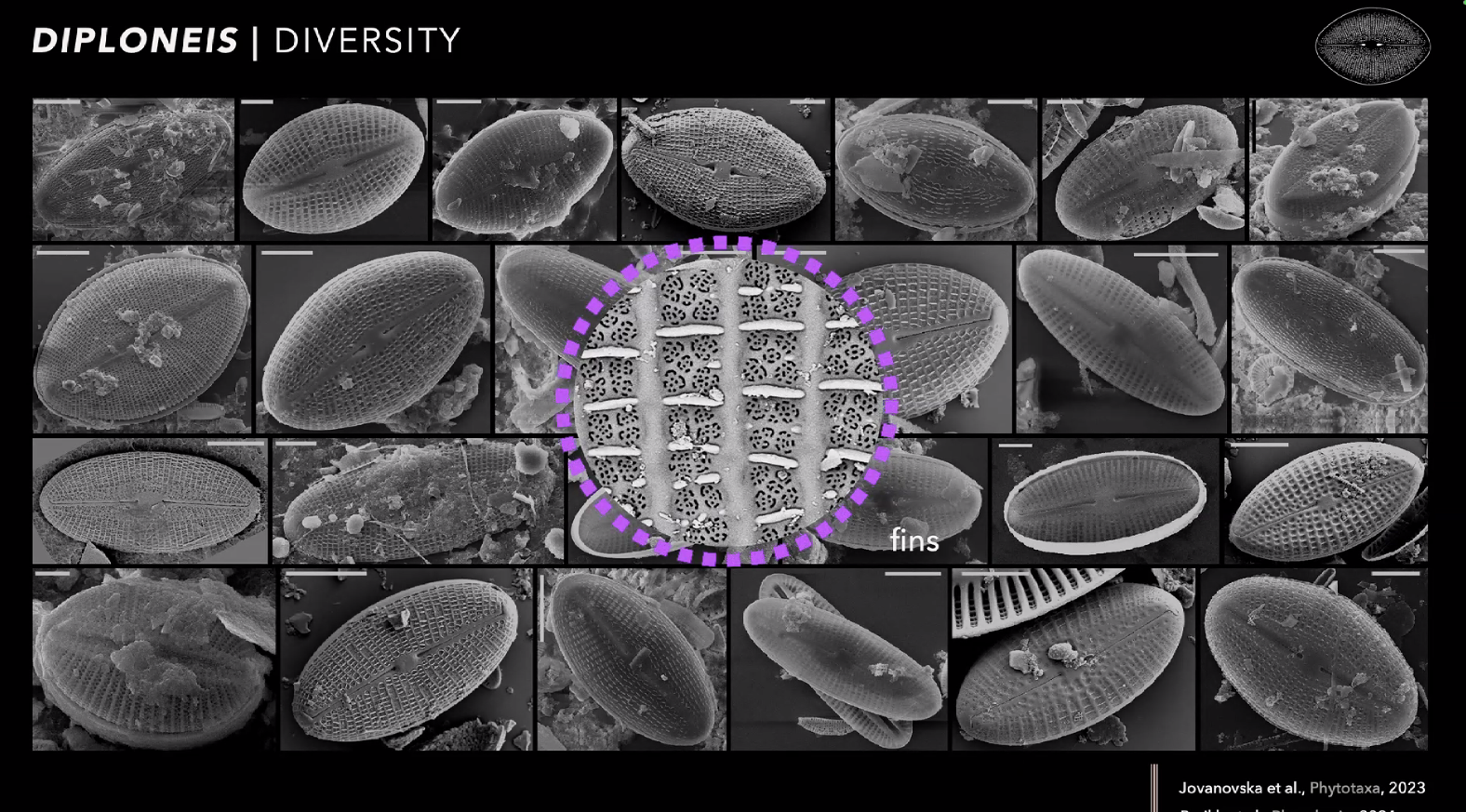
Description: Owing to their exceptional ecological tolerance, diatoms have become one of the most abundant and diverse life forms on Earth. Their ability to thrive under a wide range of environmental conditions allows them to play a major role in shaping global oxygen levels and climate processes. However, the mechanisms underlying their extraordinary success remain largely unknown. In this talk, I will address these questions and discuss the potential contribution of adaptive radiation to the evolution of diatoms, and how it may have shaped their remarkable diversity and range of forms that allow them to exploit such a wide array of habitats. My focus has been on the diatom genera Diploneis, Afrocymbella, Capartogramma, and Sellaphora from the East African Great Lakes, a region where various animal groups, including the famous cichlids, have undergone massive adaptive radiation. I have used molecular and morphological data from modern and fossil records of lake sediments and outcrops and integrated them into a time-calibrated phylogenetic framework based on 11 genes from 360 diatom species. This approach enabled the discovery of a large number of previously unknown, putatively endemic species that diversified in situ, mainly in the oldest Lake Tanganyika of the rift valley, through rapid diversification that was likely adaptive in nature. However, to confirm the scenario of adaptive radiation in these groups and assess their overall contribution to global diatom diversity, more comprehensive sampling and genome and transcriptome data are needed. Such data will not only contribute to our understanding of the evolutionary mechanisms underlying their success, but also to their functional importance in regulating climate and ecosystem processes, especially in the face of accelerating climate change.
Target audience: This talk will discuss the
evolutionary processes driving diatom diversity, with a particular focus
on whether adaptive radiation has contributed to their remarkable range
of forms and lineages. It is designed to engage anyone interested in
evolution and biodiversity, while also offering insights for
evolutionary biologists, taxonomists, and researchers working in
biodiversity hotspots.