Diatoms of North America
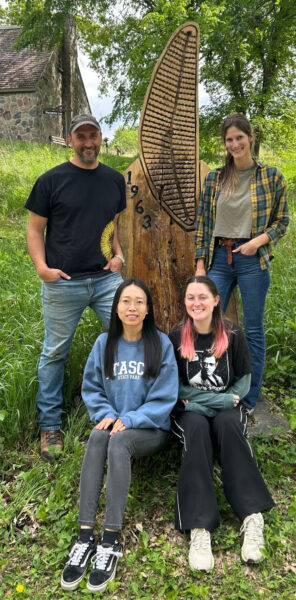
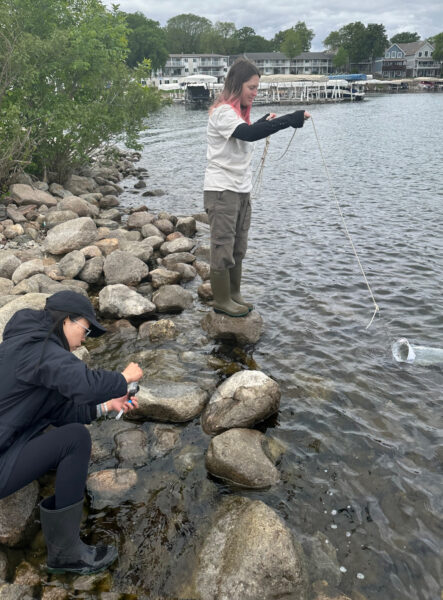
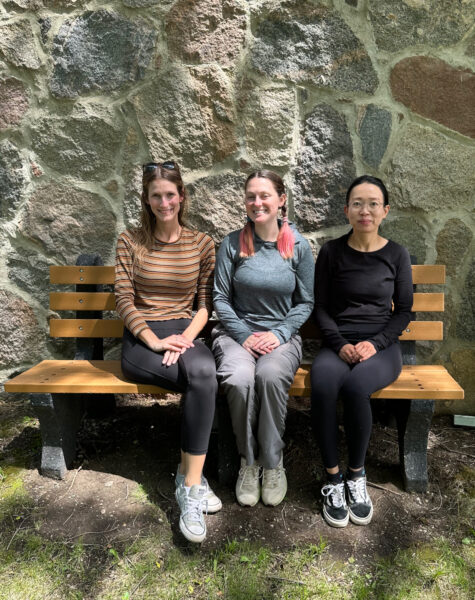
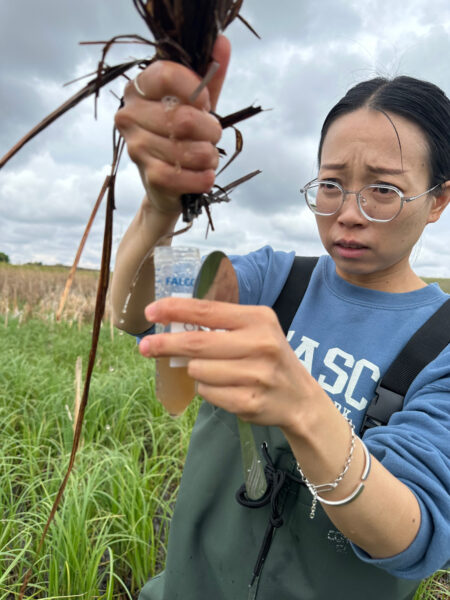
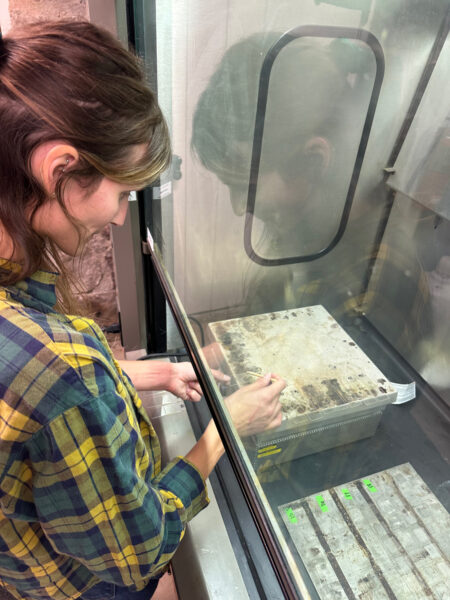
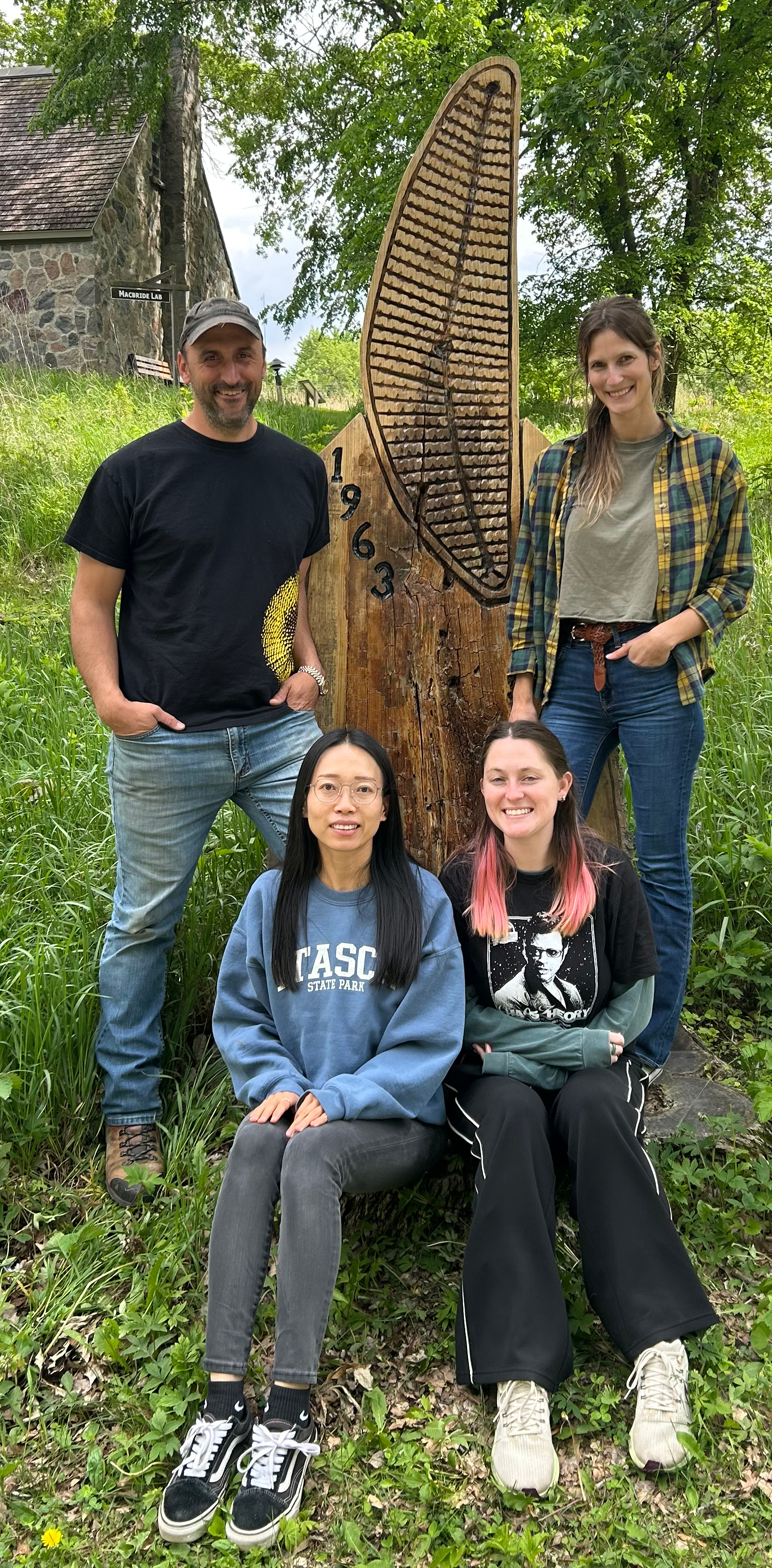
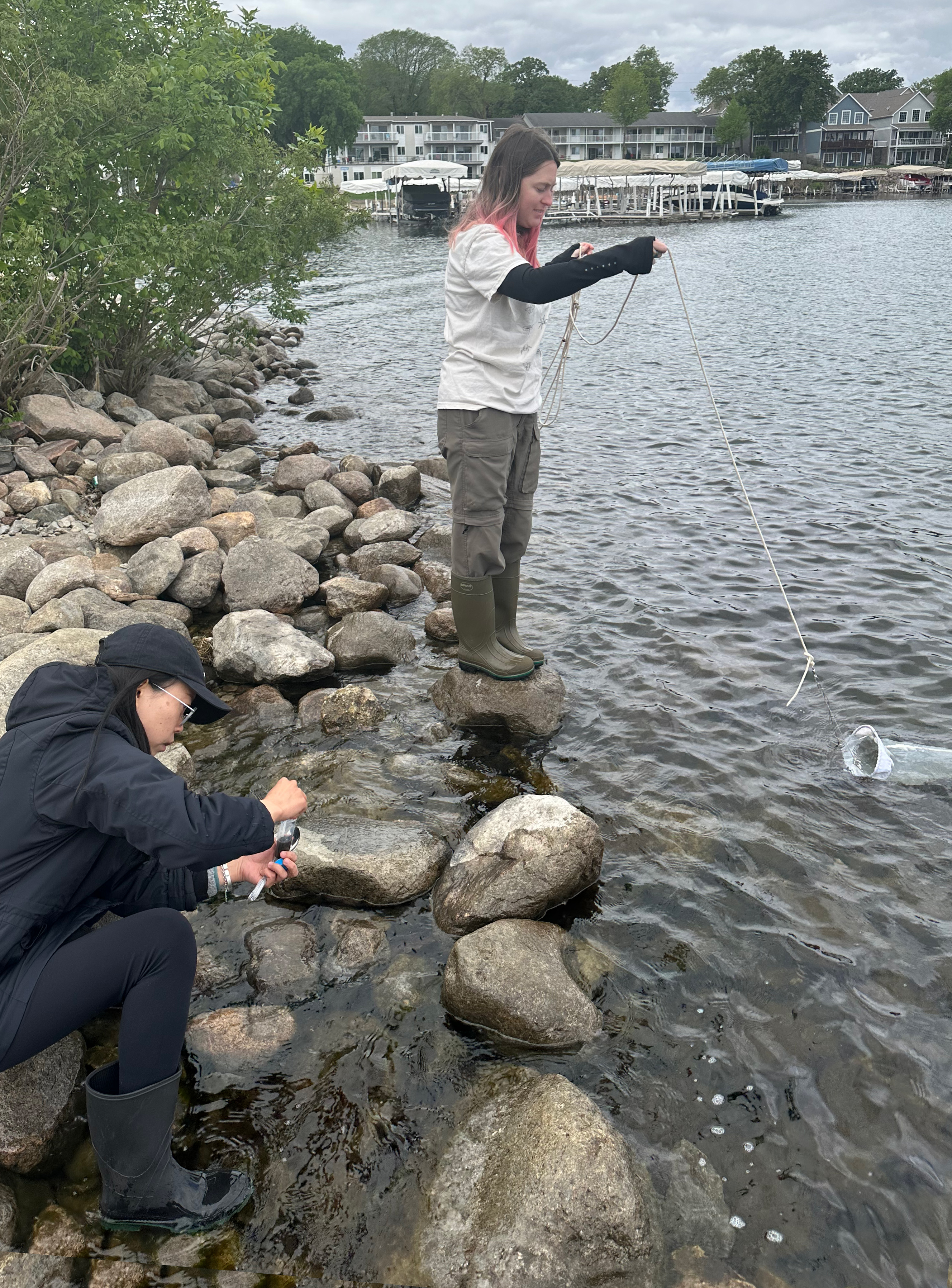
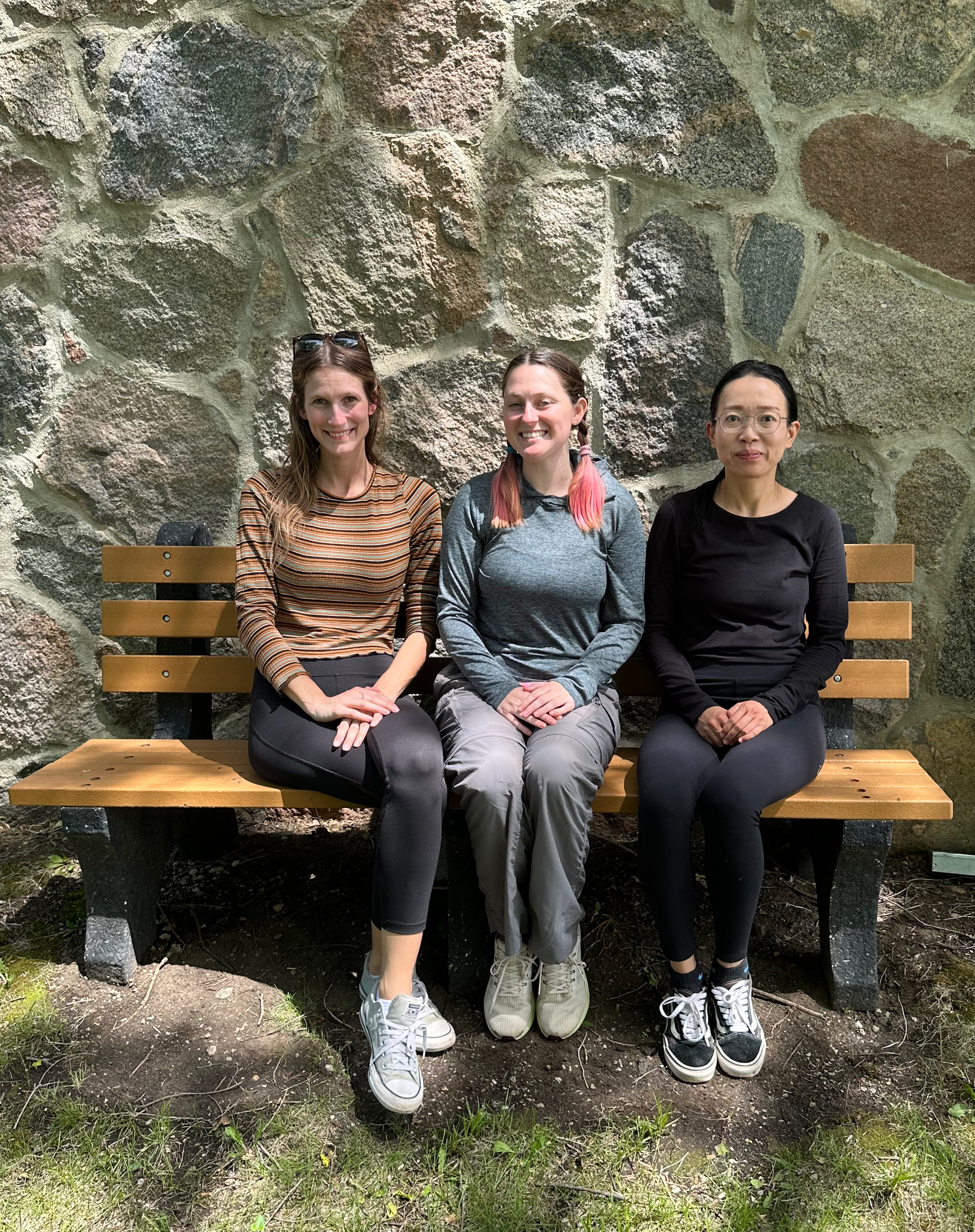
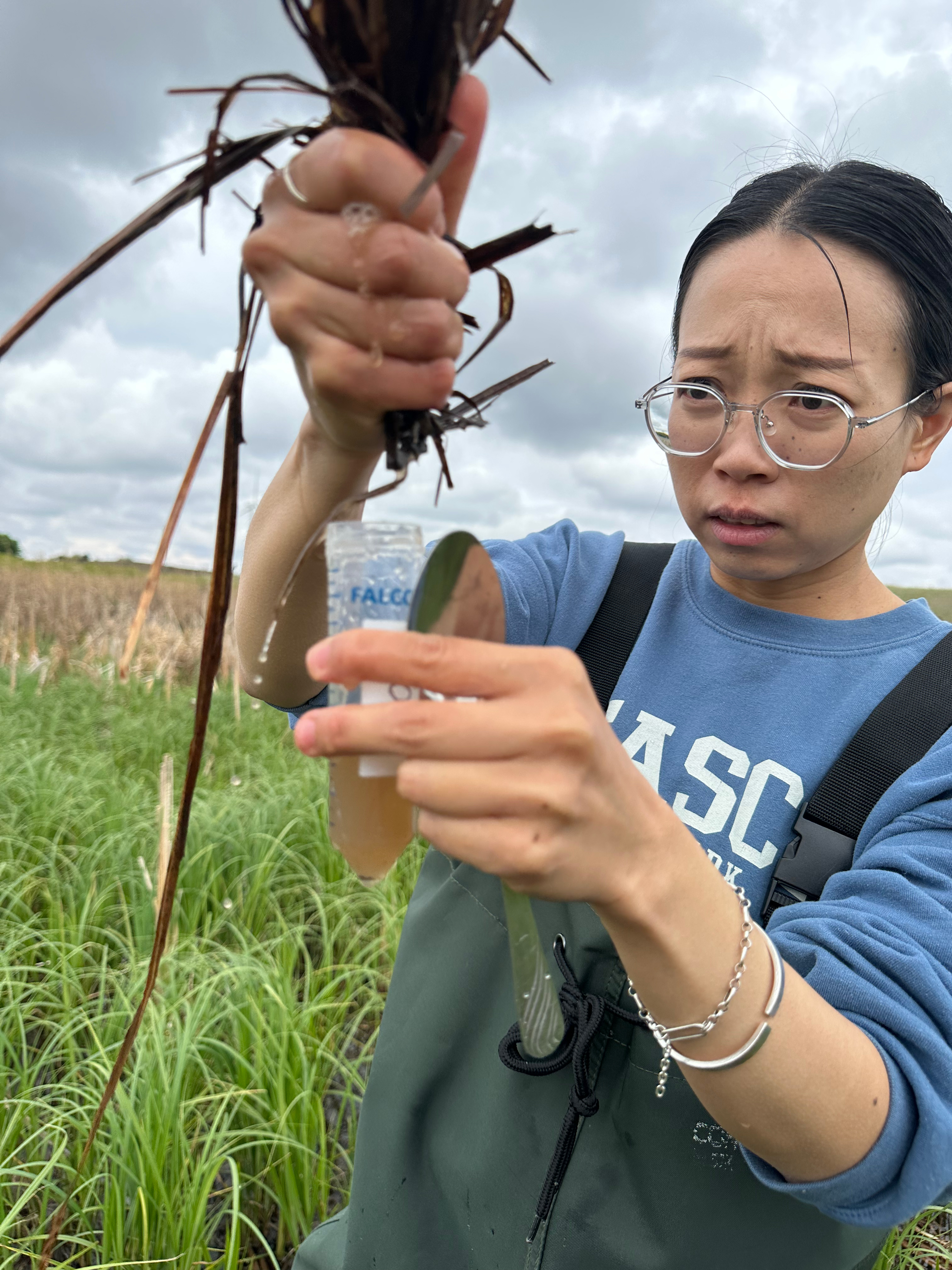
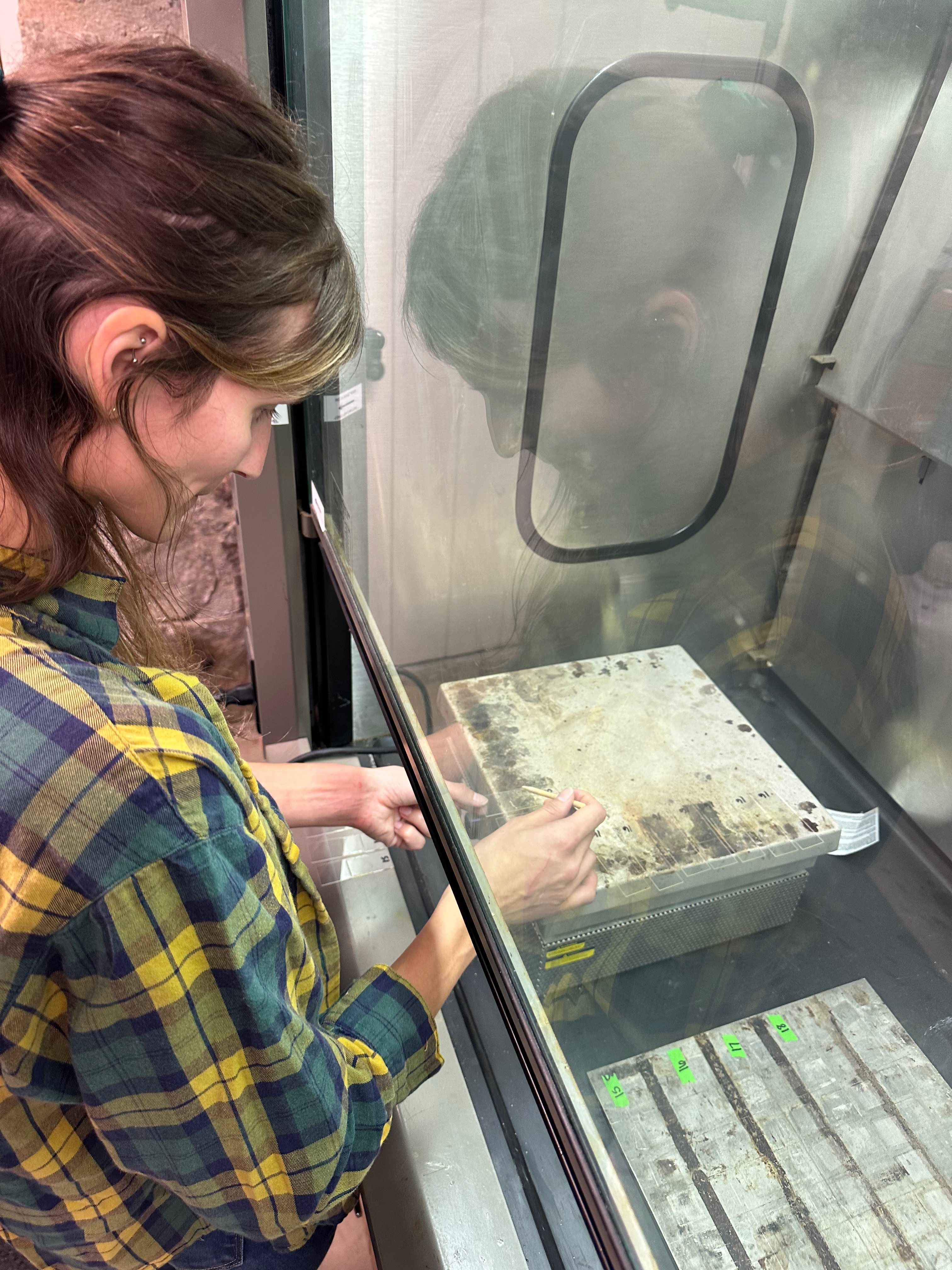
The 2025 Lakeside Lab Ecology and Systematics course was not the smallest class ever, but it may have been one of the most productive (per-student). In a short two weeks, the students (Micaela Kersey and Kui Hu) sampled the lakes and flarks of Iowa, cleaned and mounted slides, and endured the full suite of diatom taxonomy, life history, and ecology lectures.
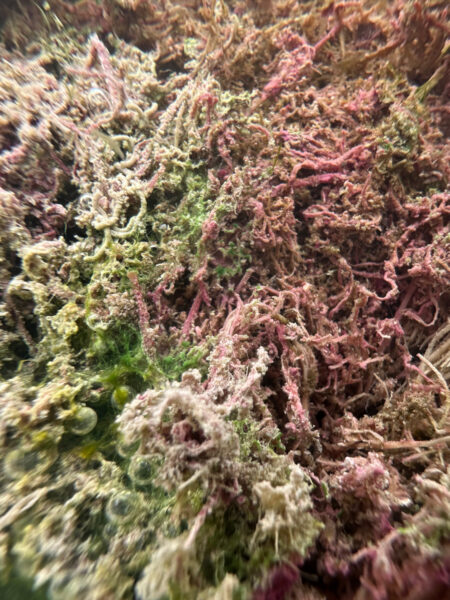
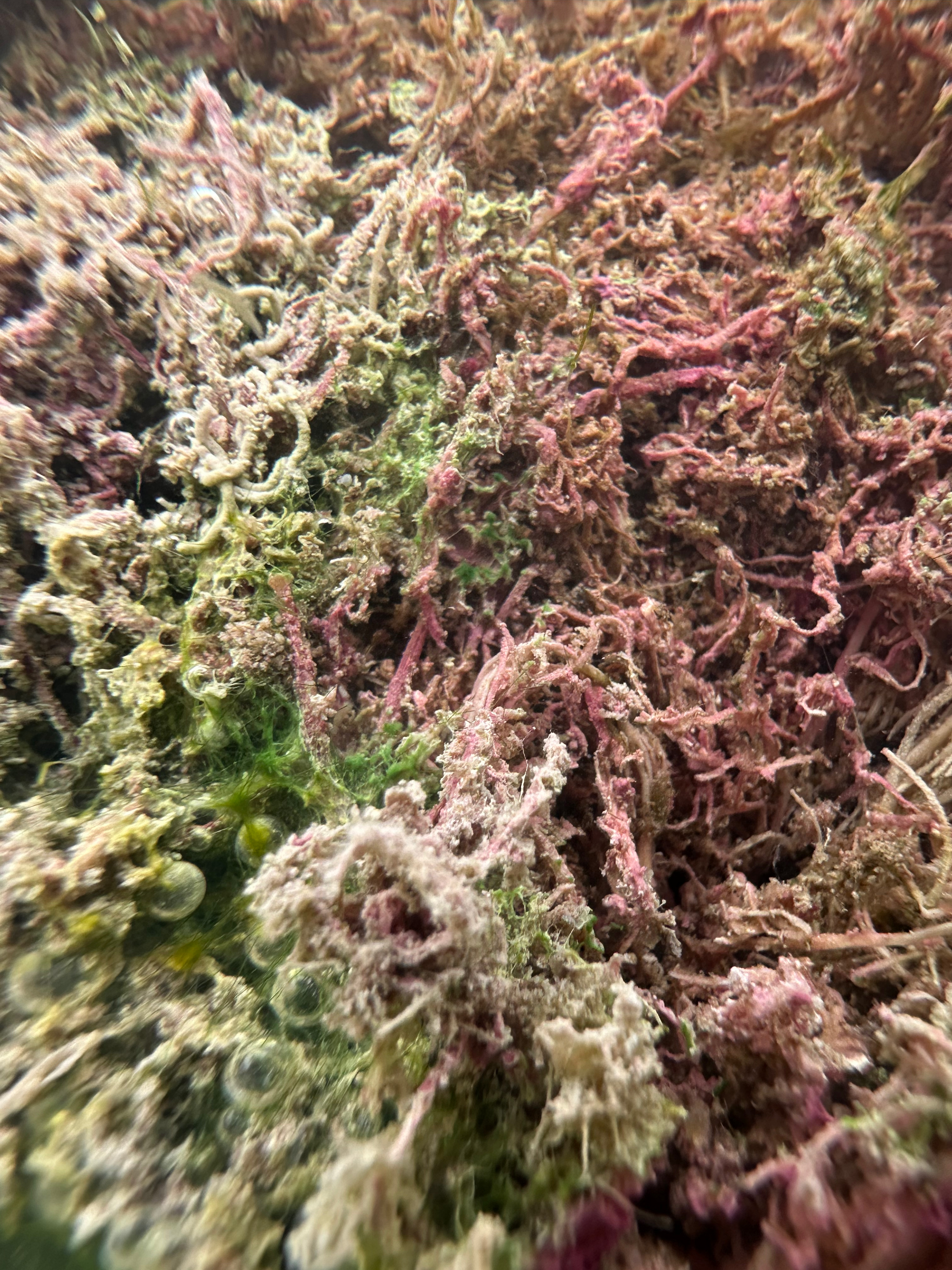
As a second year instructor, David Burge and John C. Kingston Teaching Fellow Isabelle Rytlewski helped the students focus their diatom studies on the taxonomy of Fragilaria and Iconella (the artist formerly known as Stenopterobia). This work used materials from Iowa and from the Great Lakes National Parks Monitoring Network to provide a great diversity of samples while contributing to monitoring the health of national park waters using. The class also tackled the diversity of benthic diatoms in tributaries to Lake Superior from northern Minnesota, which is in preparation to publish as a voucher flora. Isabelle Rytlewski proposed several taxonomic transfers to the genus Iconella, which have been submitted for publication.
Staples to the annual diatom course are the visiting researchers: Mark Edlund (former instructor), Lynn Brant, and Steve Main were present to share their expertise with students. Mark contributed samples from National Park surveys of the St. Croix River to develop a species page for Fragilaria capucina. Lynn Brant contributed samples for species pages from bogs of North America. Taxa which included Stenopterobia delicatissima and S. gracilis. Congratulations to Steve Main, who celebrated his 50th Anniversary of participating in the diatom class and continuing his devotion to curating the Reimer Herbarium.
Thank you to Bart Van de Vijver, of the National Botanic Garden of Belgium, for sharing type materials and images of Fragilaria capucina.
The students species pages and voucher flora are still in progress and the page will be updated as the publications are finalized.